
Welcome to
KRESY FAMILY
WORLD WAR II POLISH HISTORY GROUP
In September 1939, both German and Soviet forces invaded and occupied Poland. Kresy was subjected to Russian suppression. Polish army officers, policemen, judges and others were arrested, taken and then disappeared. The first mass deportation of civilians took place in February 1940. Vast numbers of Poles were taken to Siberian labour camps in cruel and harsh conditions. Three more deportations were to follow.
This website sets out to tell the political history of these events and that of individuals caught up in the power ambitions of dictators. It is a story not generally well known even by some direct descendants, but for Poles it was a “gehenna” – traumatic experience, unimaginable suffering and, physical or mental anguish.
Deportees to Siberia came to be known as “Sybiraks”, and some survived.
EXPLORE THE KRESY STORY
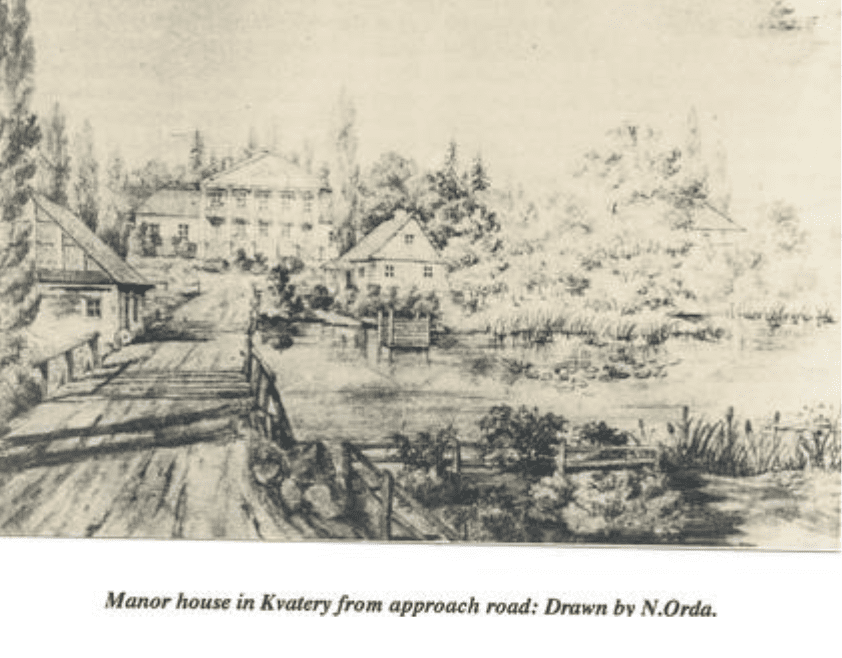
The existence of Kresy and the use of the name Kresy date back centuries. The word Kresy means Borderlands, here meaning the eastern border of Poland as it was in 1939 with Lithuania, Latvia, Soviet Russia, Rumania andHungary. This border has changed many times over the years. Poles had lived there for 400+ years and were as much native to this land as were many other ethnic groups, including Ruthenians, Belarussians and Ukrainians.
Read more about the region, how it was settled in the aftermath of WW1, its people and life in Kresy before the Soviet invasion.
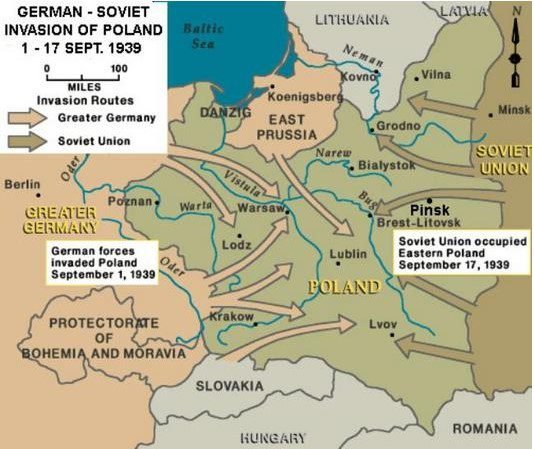
The Nazi-Soviet pact of 23 August 1939 planned for the destruction of Poland. Germany invaded on 1 September and the Soviet Union on 17 September. Following occupation, Poles were scattered throughout Europe, many as forced German and Soviet labour. Hitler’s treacherous attack on Stalin in 1941 led to Poles being released to help in the fight against the Nazis.
Read more about the Soviet invasion, occupation, deportations from Kresy, location of Siberian labour camps, life and conditions in them, formation and battles of the Polish Armed Forces and about life in Africa, India and elsewhere.
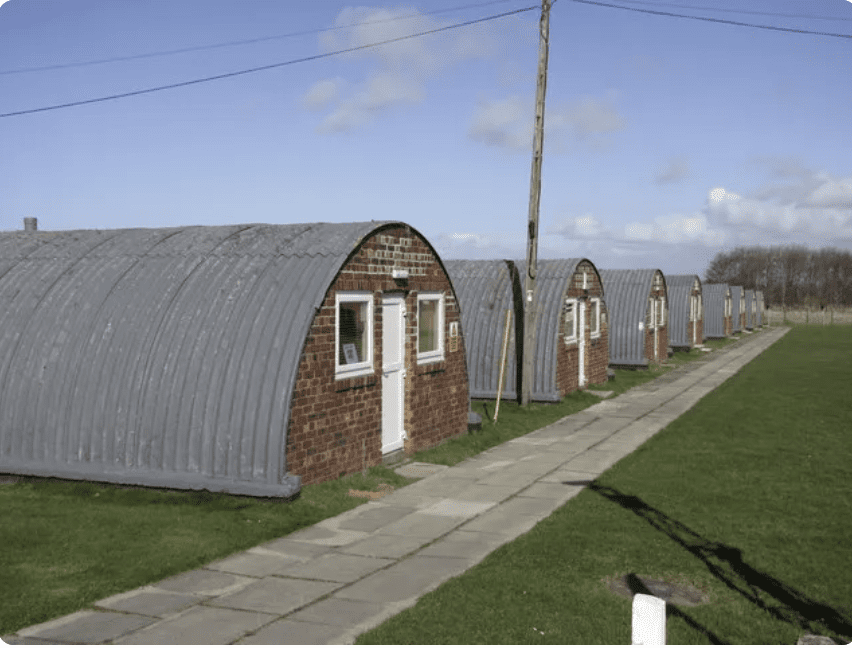
The end of the war in June 1945, Poles found themselves in various continents. The political situation in their homeland had changed under Soviet hegemony which created a Communist government and moved the eastern borders some 280 kilometers to the west. For some, going home meant living in Stalin’s Soviet Union, the very government which had imprisoned and treated them as enemies. The alternative was exile. They faced a dilemma in deciding their futures.
Read more about their experiences in the UK, initial difficulties, longing for homeland, a sense of being in a foreign culture, creating their own cultural environment – “A Poland outside Poland”.
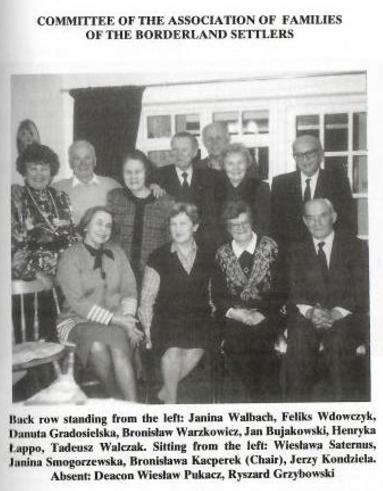
Following the chaotic disruption to their lives, Sybiraks settled in their new homes in various parts of the UK and other countries. Memories of their pre-war homeland remained, pride in their achievements retained. After the birth of the Second Polish Republic in 1918, Poland underwent a spectacular period of development. Organs of state were created anew and cities and towns were rebuilt. Kresy and its diverse ethnicities had been largely neglected by the Russian Empire. The state set about populating this area with Poles given the task of developing its agriculture and its Polishness.
Read Sybirak memories, their family histories and the obituaries written by them and their families.
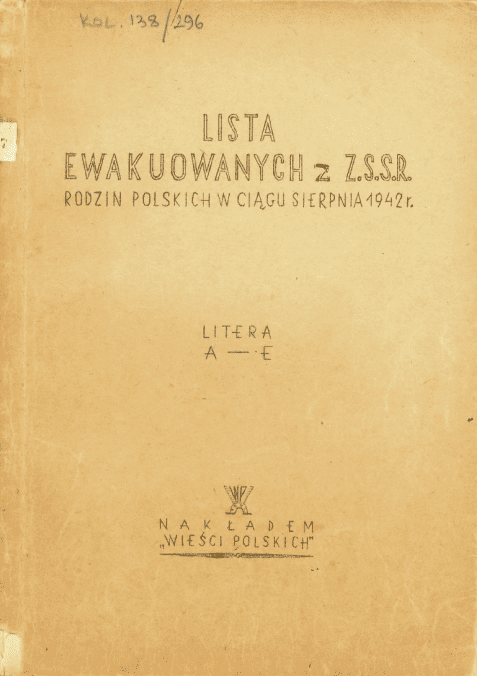
Often descendants of Sybiraks regret that their interest in their families’ wartime experiences are awakened too late. Memories for some can be too painful to recall or memories fade; ill health takes a toll and sadly information is buried with its owners.
In the 1980s, sources of information began to be opened and made available, particularly on the internet.
Use the links in this section to provide information on where and how you can find more about individuals, their deportation, their journey to freedom, maps of locations key to those journeys, military war records and a guide to the Siberian Exile Cross application process.
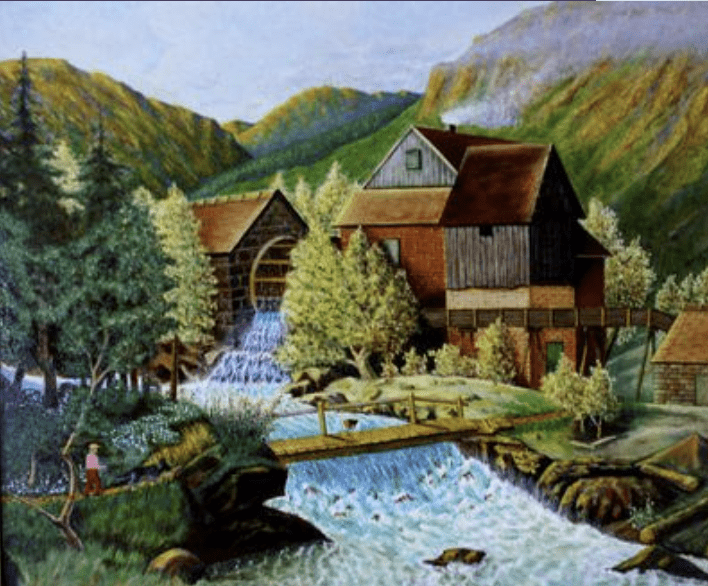
Despite the difficulties and hardships suffered by Poles during the wartime period, their creative skills were not neglected. Shortages of food and hard labour did not prevent artists from drawing scenes that they witnessed on scraps of paper or whatever came to hand.
Similarly, these experiences inspired Sybiraks to write poetry, to express emotions and use words to convey images of those gulags, cattle wagons, hard labour, survival and fierce fighting. Poetry written in the original Polish has been translated into English.
Descendants of Sybirak survivors have contributed to this genre with their own poetry. In this section view artists’ images and poets’ words that encapsulate “The Kresy Story”.
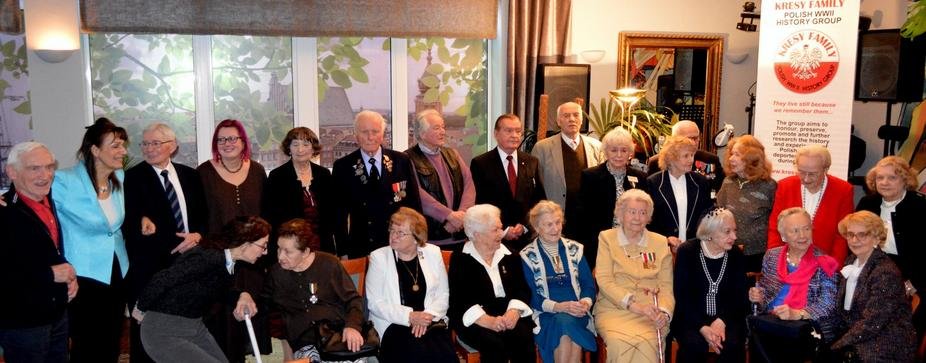
Find details of upcoming events here.
Kresy Family arrange events where Sybiraks, their families and friends are able to meet to discuss experiences, discover connections and learn more about “The Kresy Story”.
The anniversary of the start of the deportations on 10 February 1940 is commemorated each February with a lunch in POSK, Hammersmith, London. A guest speaker gives a talk on a relevant topic and a guest performer sings and plays cherished music where the Sybirak’s March” is a favourite.
Read accounts of past events with photographs that form an archive record of the work of the Group.
RECENTLY UPLOADED
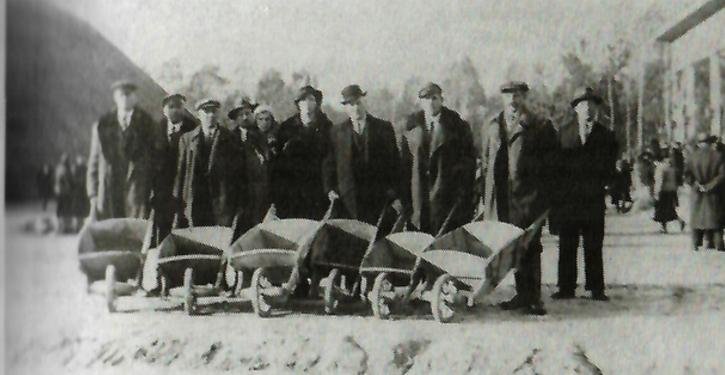
Read Maria Szuba-Tomaszewska’s memories of life in the Budowla Osada translated from Wspomnienia z Osad Wojskowych. It tells a moving story of Soviet invasion, crimes, removal of military settlements and deportation. She writes about the loss of family in Siberia and eventual return home to Wojcieszyn.
Jerzy Żegota-Januszajtis’ detailed memories give an insight into the harsh life in Kresy after independence where his father General Żegota-Januszajtis settled. He records many interesting stories of events, relationships with Ruthenians and the heroic capture of an escaped and enraged bull.
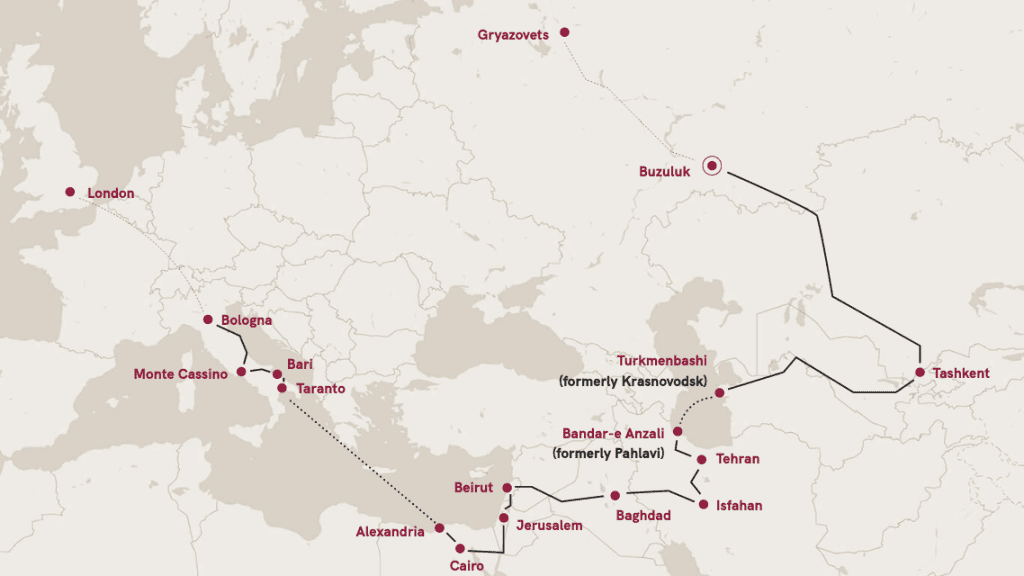
The Odyssey of General Anders Army Part 1
MOST READ PAGE
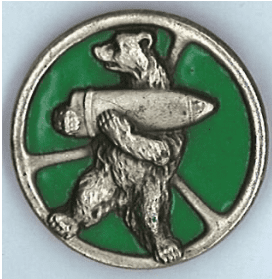
The page about Wojtek The Bear is frequently in the top 10 most visited page. In January, it was number 1.
If you’ve ever wondered about history’s heroic animals, just ask a Pole who served in the Polish army of World War II. .
Support Kresy Family
become a member and donate